Programs
Practical help, when it matters most.
Three ways we stand with families after catastrophe. Every service is free. We never charge families for support.
Program I
Family Grant Program
Small grants for the costs that can't wait.
After a fire, the urgent bills arrive before anything else does: a deposit on a temporary rental, clothes for children who left with nothing, school supplies, a way to get to work. The Family Grant Program provides modest, direct assistance for exactly these essentials.
Grants are decided with speed and discretion, because a family choosing between a hotel room and a security deposit doesn't have time for a long process.
What grants can cover
- Utility deposits. Getting the lights and water on in temporary housing.
- Children's clothing. Replacing what kids need for school and daily life.
- School supplies. Keeping children's education steady through upheaval.
- Transportation support. Getting to work, school, and appointments.
- Relocation essentials. The first necessities of starting over somewhere new.
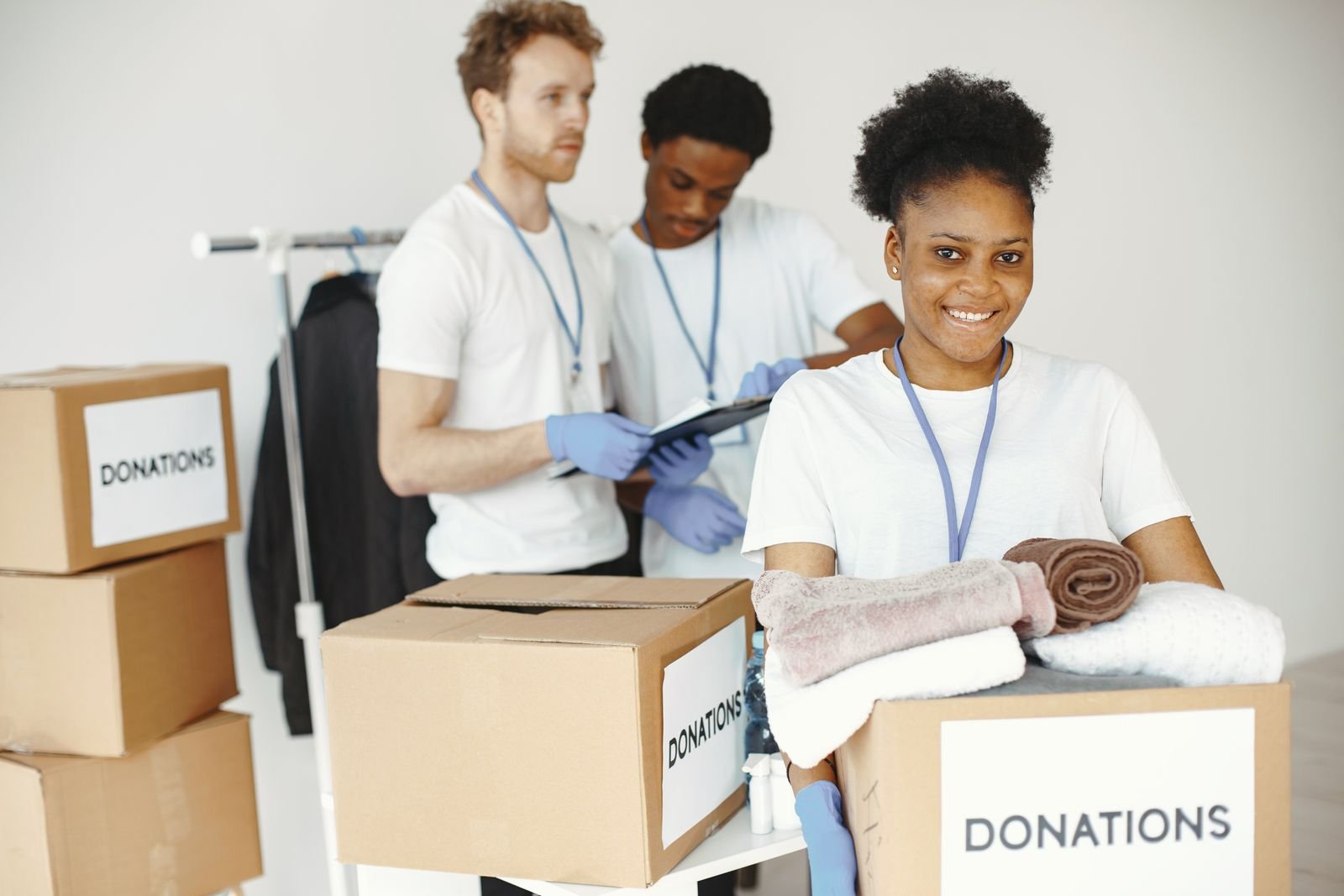
Community is the first responder after the first responders.
Program II
Fundraiser Seeding
Momentum for a family's fresh start.
Community fundraisers can be a lifeline, but the hardest dollars to raise are the first ones. The foundation seeds each featured family's fundraiser early, helping the campaign gain traction and inviting the wider community to join in.
An early gift does more than add dollars. It tells everyone watching that this family is worth rallying around, and it gives the campaign the momentum every fundraiser needs in its first days.
Program III
72-Hour Recovery Guide
The first three days set the course for everything after. Our step-by-step guide walks families through them, calmly and in order.
Stay safe
What not to touch, when to stay out, and how to protect your family and pets in the immediate aftermath.
Stabilize the essentials
Safe shelter, medications, documents, and a way to be reached, handled in priority order.
Document the loss
How to photograph, list, and preserve evidence of damage before anything is moved or cleaned.
Know where to turn
The agencies, nonprofits, and community resources that respond first, and how to reach them.
Plan the next 30 days
Turning the first 72 hours into a steady path forward: housing, paperwork, and support, one step at a time.
Free to read, share, and link. It belongs to anyone who needs it.
If this is you
We're ready when you are.
Tell us what happened. A real person will respond, and everything we offer is free.